

A day of hiking, cycling, or kayaking somewhere far from home tends to leave travelers tired in the body, but also calmer in the head.
Adventure travel often brings together three factors associated with well-being: sustained movement in natural environments, recovery practices such as hot springs and massages, and social connections formed through shared experiences. EF Adventures explored research across environmental psychology, exercise recovery, and social well-being to help explain how each can contribute to the way travelers feel during and after an active trip.
Movement in Nature Can Help Reduce Mental Rumination
First, one of the clearest differences between adventure travel and a typical workout is the setting. Hiking a mountain trail or cycling through the countryside provides exercise, but it also means spending extended time in a natural environment.
Research suggests that combination may have particular mental health benefits.
In a 2015 study, environmental psychology researcher Gregory Bratman and colleagues at Stanford University found that participants who walked for 90 minutes in a natural environment showed significantly reduced activity in the part of the brain associated with rumination – the act of having repetitive thinking or dwelling on negative feelings and distress, compared with participants who walked for the same amount of time in an urban setting.
Changing terrain, natural light, moving water, and other elements of the outdoors can engage attention without demanding the same level of concentration as many everyday tasks. That may help explain why a long hike can feel mentally different from an indoor workout, even when the level of physical effort is similar.
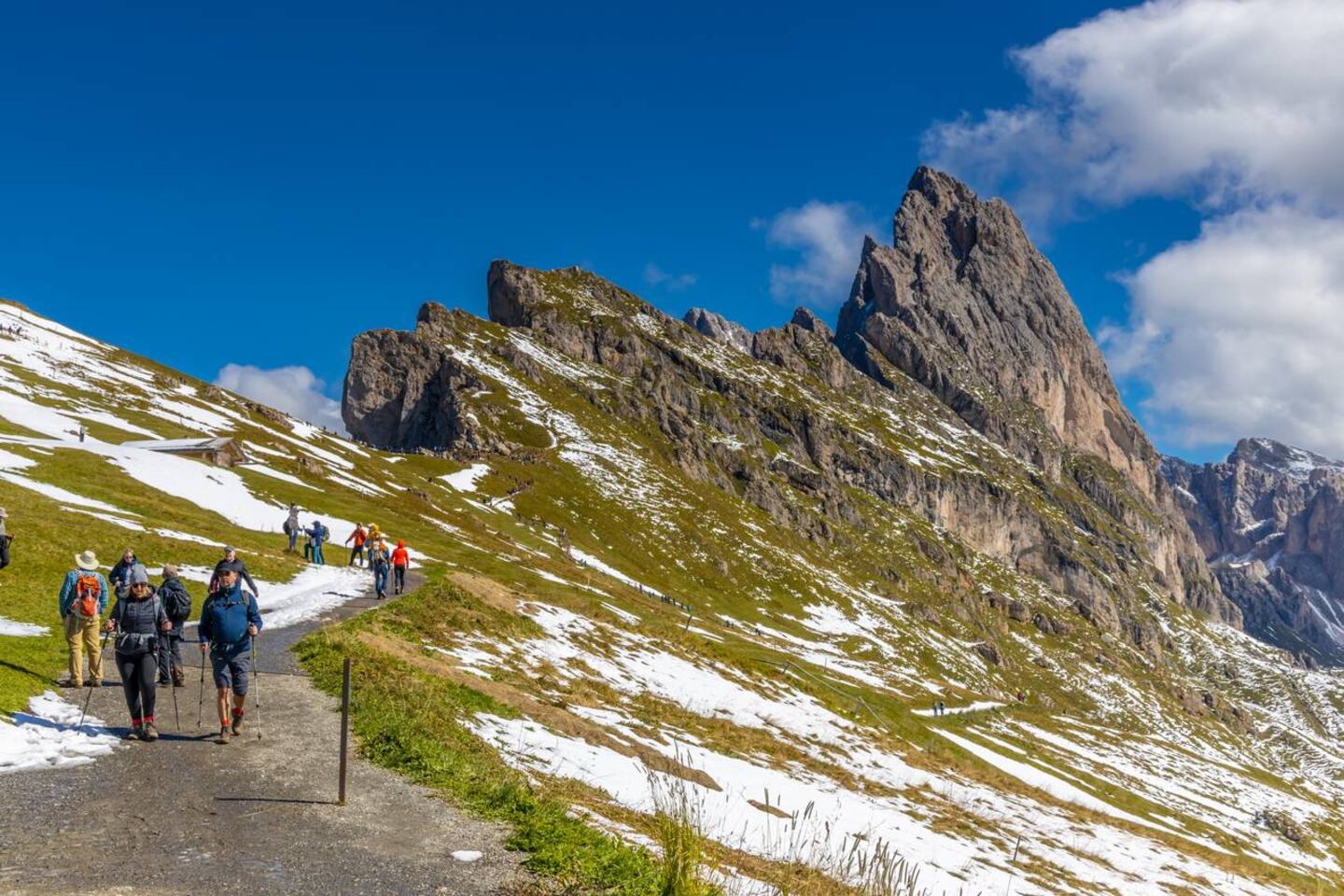
Framalicious // Shutterstock
The Dolomites are one example of a destination where travelers can combine sustained movement with extended time outdoors. Hiking routes through the region can cover meadows, scree fields, forest trails, and high-alpine terrain over the course of a single day.
Travelers can find that same combination in Portugal. The Fishermen's Trail, part of the Rota Vicentina network, traces the country's southwest coast along cliff-top paths, dune sections, and empty Atlantic beaches. A multiadventure route through the Algarve and Alentejo can pair a day on that trail with hiking the wooded hills of Sintra, e-biking the rural interior, and kayaking the golden cliffs around Ponta da Piedade. The terrain and the pace change constantly, which keeps travelers in motion for hours while the landscape, rather than a screen or a schedule, holds their attention.
Recovery Rituals Can Support Rest and Physical Recovery
Second, physical activity is only one part of many adventure travel experiences. Recovery practices play an equally important role, particularly in destinations where bathing, heat, or bodywork are part of long-standing cultural traditions.
In Iceland, sundlaugarmenning, or “pool culture,” refers to the country’s tradition of gathering in geothermal pools. Warm water can increase blood flow to the skin and help muscles relax after physical activity. For travelers spending their days hiking or exploring Iceland’s volcanic landscapes, geothermal bathing can also serve as a natural transition into recovery.
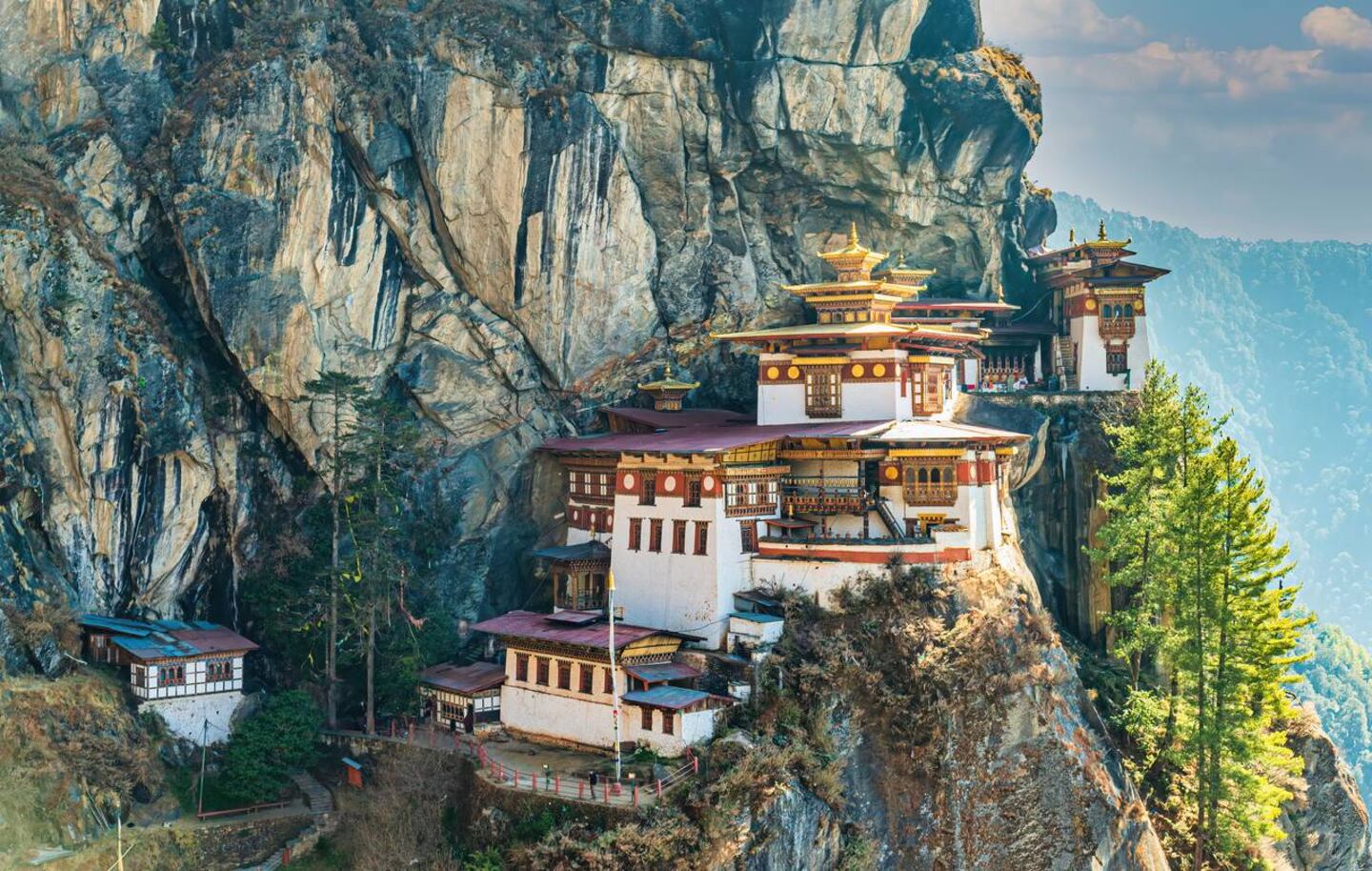
Julia Mountain Photo // Shutterstock
Bhutan has its own tradition of heat-based recovery. After hiking to Paro Taktsang, or Tiger's Nest Monastery, travelers may experience a traditional hot-stone bath. The practice involves heating river stones and placing them in wooden tubs filled with water and local herbs, including artemisia.
Thailand introduces another form of recovery through Nuad Thai, or traditional Thai massage, which UNESCO recognizes as an Intangible Cultural Heritage of Humanity. The practice uses pressure, stretching, and rhythmic compression and has a long history in Thailand.
For travelers spending several days hiking or otherwise staying active, practices like massage and hot-water bathing can provide structured opportunities to recover while also connecting with local cultural traditions.
Small-Group Travel Can Build Social Connection
Finally, movement and recovery do not fully explain the wellness component of adventure travel. Social connection can also contribute to psychological well-being.
Small-group travel creates repeated opportunities for people to share physical challenges, meals, unfamiliar environments, and new experiences. That kind of shared effort can help people form social bonds around a common experience.
The Māori are the Indigenous Polynesian people of mainland New Zealand. Their belief in and practice of the concept of “hauora” offers one example of a holistic approach to health. The model views physical, mental, social, and spiritual well-being as interconnected rather than separate.
Within that framework, time outdoors, connection with the natural world, physical activity, and community can all contribute to overall well-being.
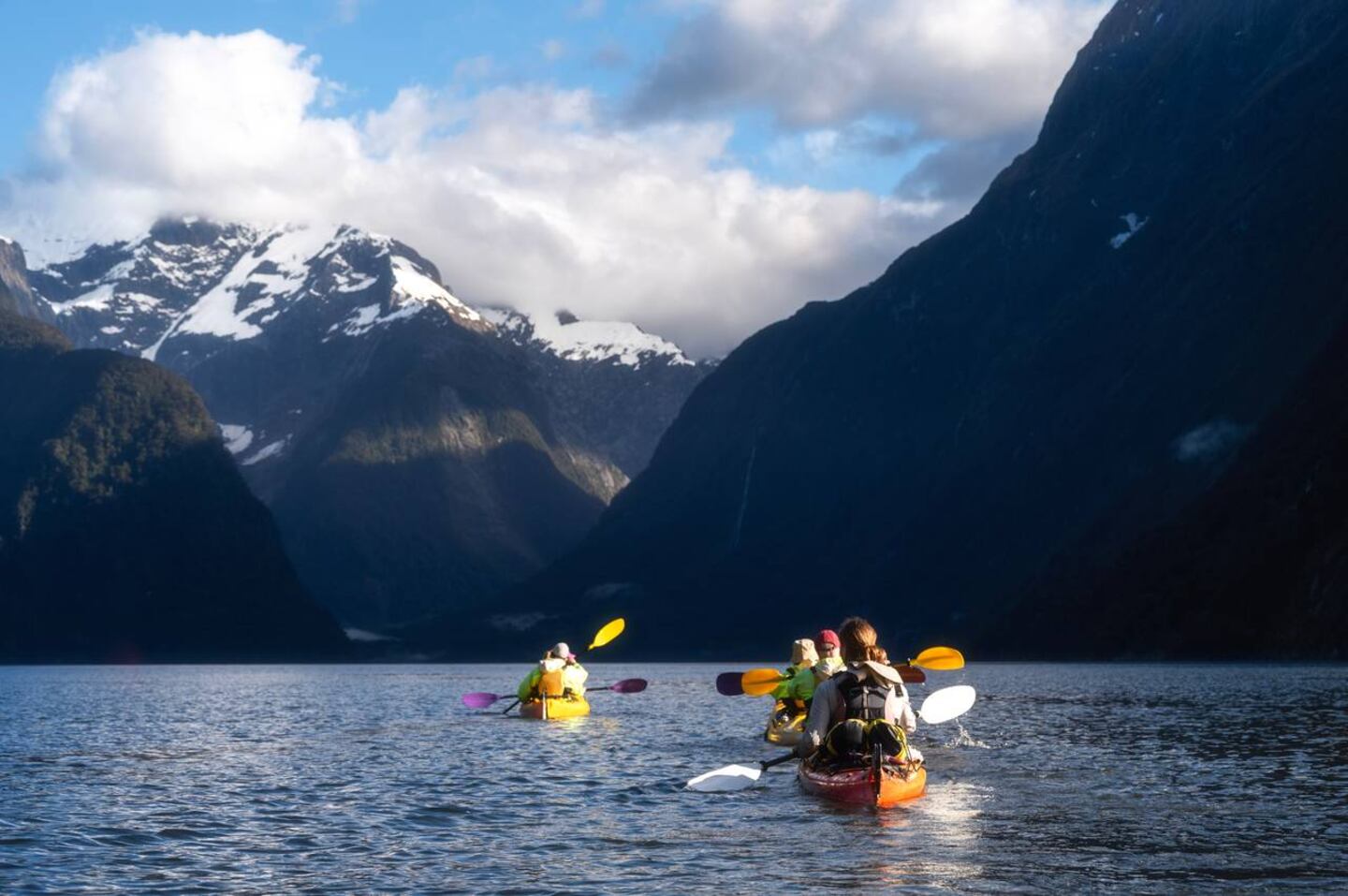
tapanuth // Shutterstock
New Zealand provides many opportunities to experience those elements together. Consider group travel, a guided multiday trip that combines hiking, kayaking, and cycling through fiords, volcanic plateaus, forests, and wine regions of this beautiful natural wonder. The activities vary, but the broader experience combines time in nature, sustained movement, and shared experiences with other travelers.
What the Research Tells Us
From hiking up mountain trails in Switzerland to biking through the vineyards of Provence, France, the research demonstrates movement in natural environments, intentional recovery practices, and social connection provide personal benefits across mental health, physical recovery, and social well-being. Together, these elements help distinguish adventure travel from exercise alone. Destinations such as Iceland, Bhutan, Thailand, New Zealand, and the Dolomites – combined with the power of guided, group travel – offer the perfect combination of benefits that make an adventure trip a transformative experience in ways measurable and intangible.
This story was produced by EF Adventures and reviewed and distributed by Stacker.
/cloudfront-us-east-1.images.arcpublishing.com/cmg/LH3JSJEF3VBLRJLJQESEAG34AM.png)